The German residential property market is showing clear signs of stabilisation, creating new opportunities for prospective buyers. The latest IW Housing Index for the second quarter of 2026 shows that residential property prices have stabilised nationwide, whilst the supply of properties has increased significantly compared with just a few years ago. At the same time, demand for owner-occupied property is rising noticeably, as shown by recent market analyses from ImmoScout24 and Immowelt. This is creating favourable market conditions for both owner-occupiers and investors.
Following the price adjustments of recent years, the market appears to have found a new equilibrium. The IW Housing Index shows moderate price increases nationwide for flats and detached and semi-detached houses compared with the same quarter last year. The period of pronounced price volatility appears to be over. For prospective buyers, this means greater certainty when planning to purchase a property.
Developments in the rental market also point to the appeal of home ownership. Whilst purchase prices are stabilising, asking rents are rising at a significantly faster rate. Nationwide, they increased by 1.2 per cent in the second quarter of 2026 compared with the previous quarter, and by as much as 4.0 per cent compared with the same quarter of the previous year. As a result, buying a home is once again becoming increasingly attractive compared with renting over the long term. At the same time, rising rents underscore the persistently high demand for housing and the long-term positive prospects for residential property as a tangible asset.
Another positive factor is that the supply of homes for sale remains significantly higher than it was before the interest rate turnaround. Buyers therefore benefit from a wider choice and better opportunities to compare properties. At the same time, the rising demand for home ownership shows that many prospective buyers already regard the current market phase as a favourable time to buy property.
This assessment is also borne out by current demand indicators. According to ImmoScout24’s Housing Barometer, demand for existing flats rose by around 20 per cent in the first half of 2026 compared with the previous year, whilst demand for detached houses rose by as much as 30 per cent. Immowelt also reports a significantly higher number of enquiries about purchases. This growing interest shows that more and more buyers are once again actively considering purchasing their own home and are looking to take advantage of current market conditions.
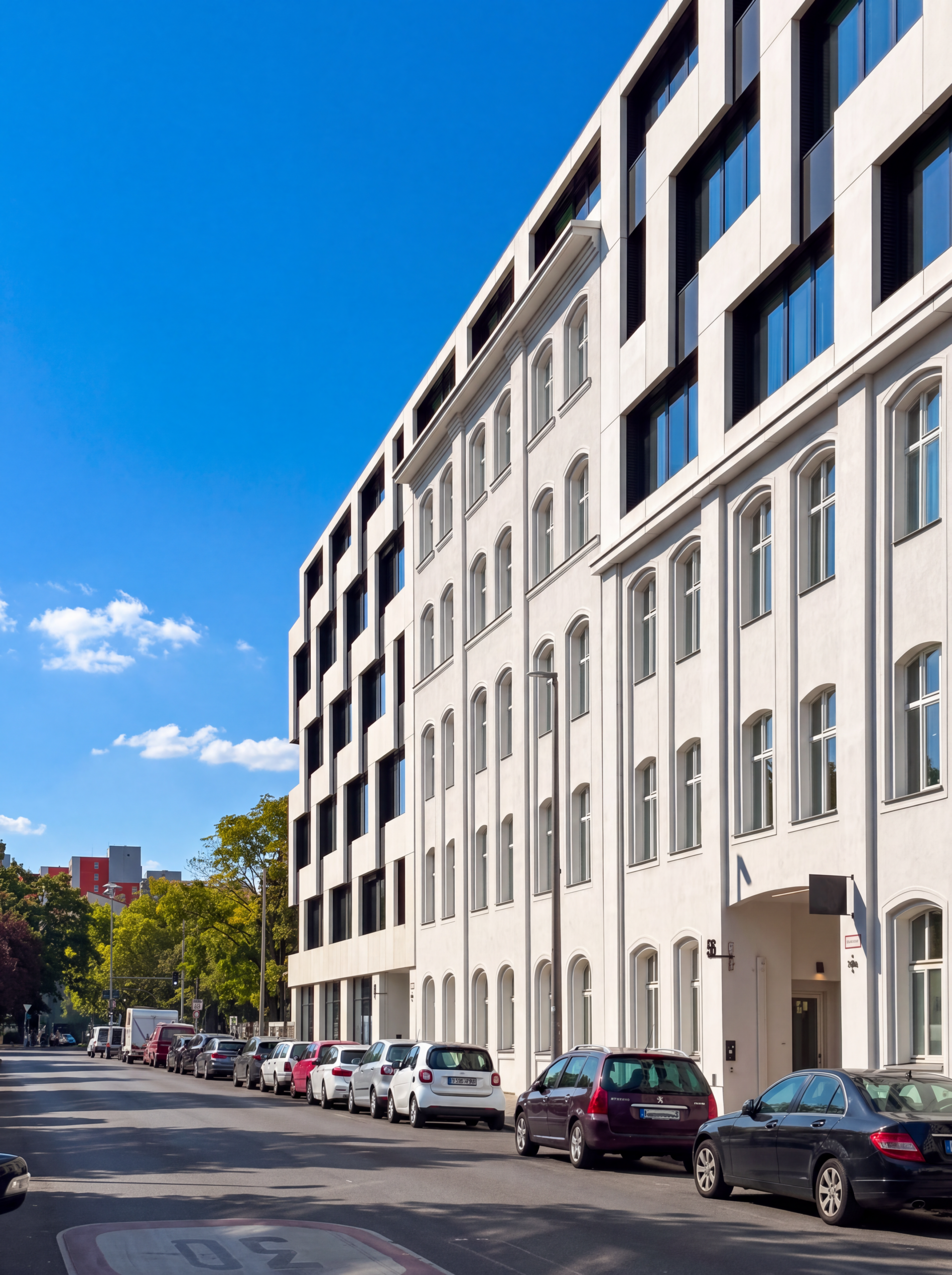
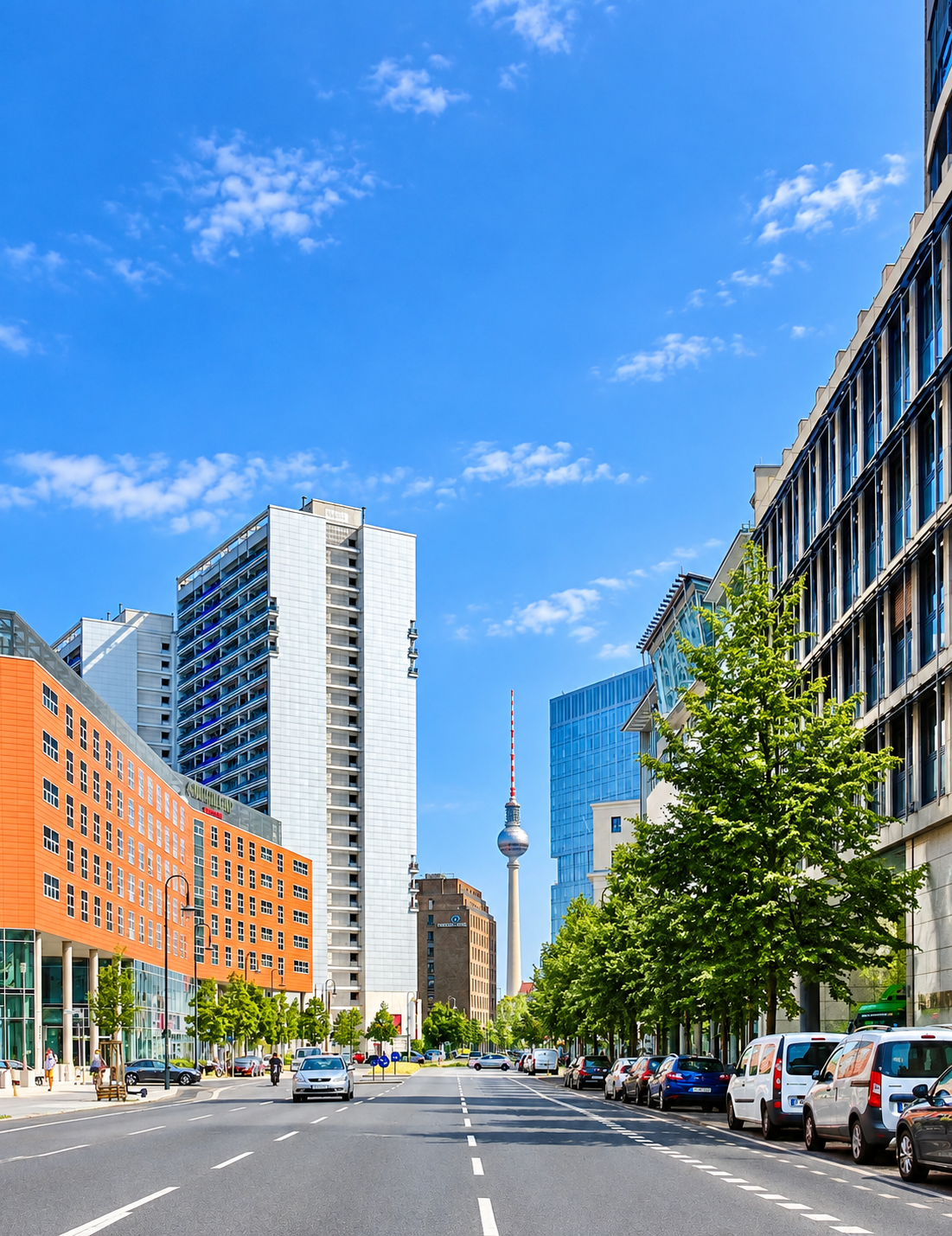
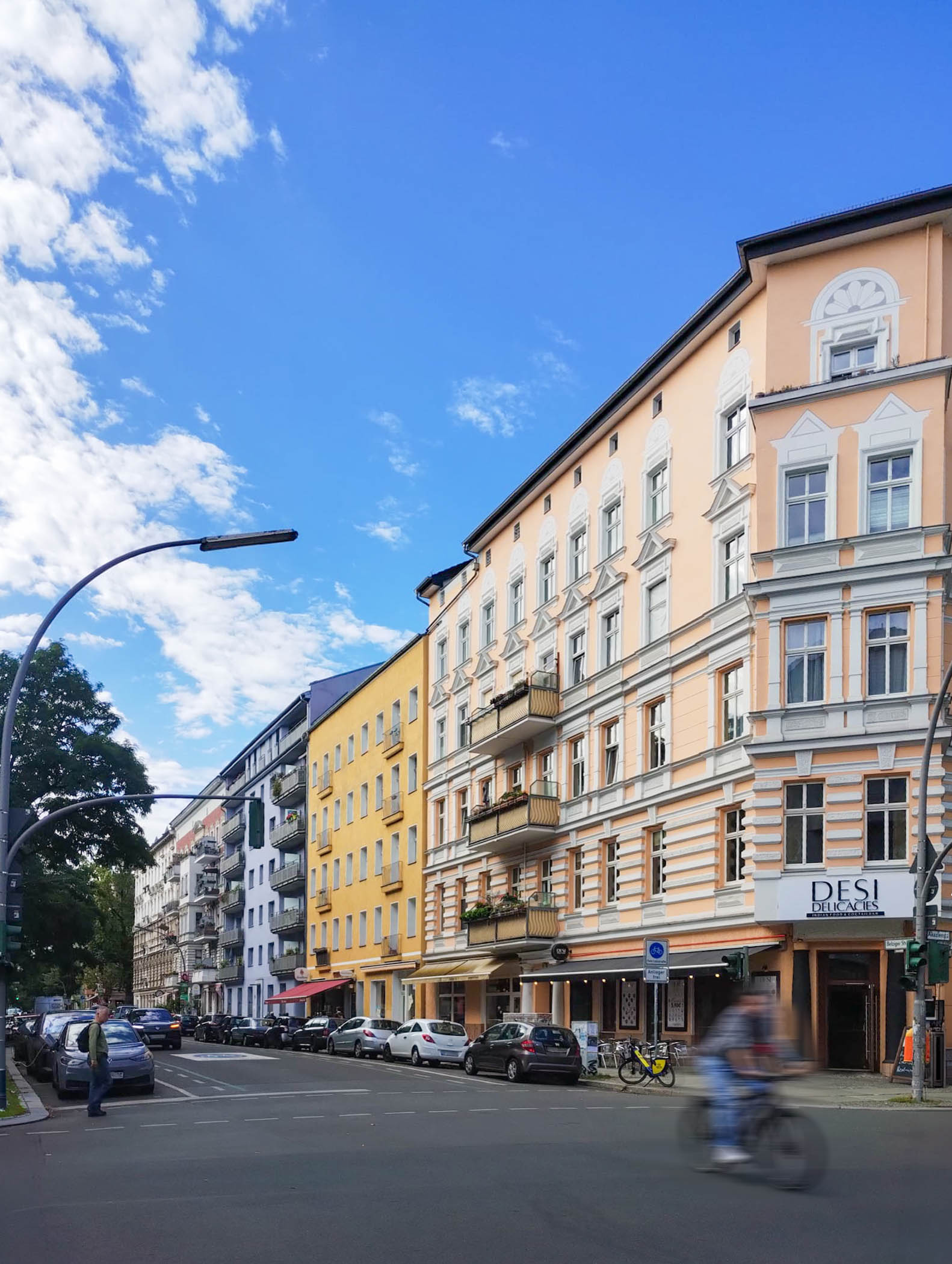
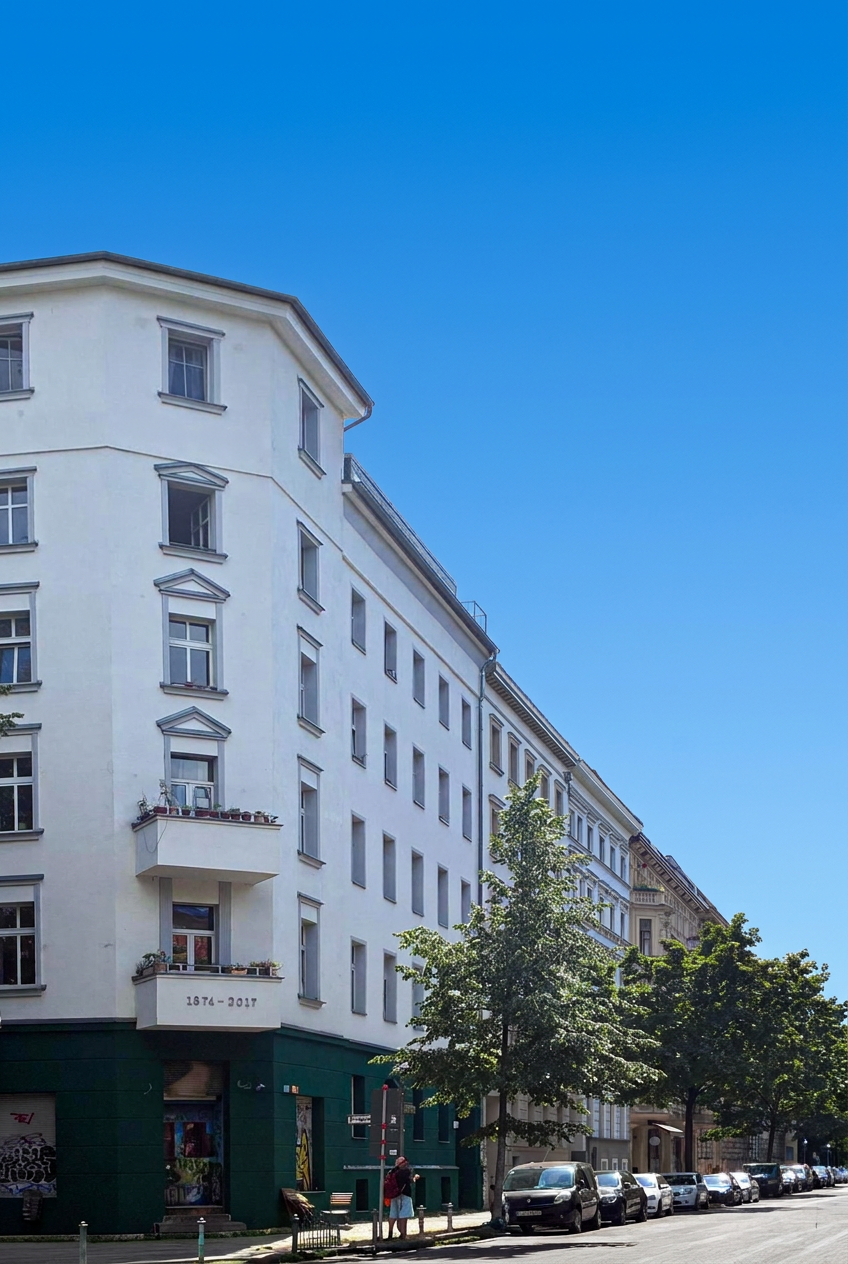
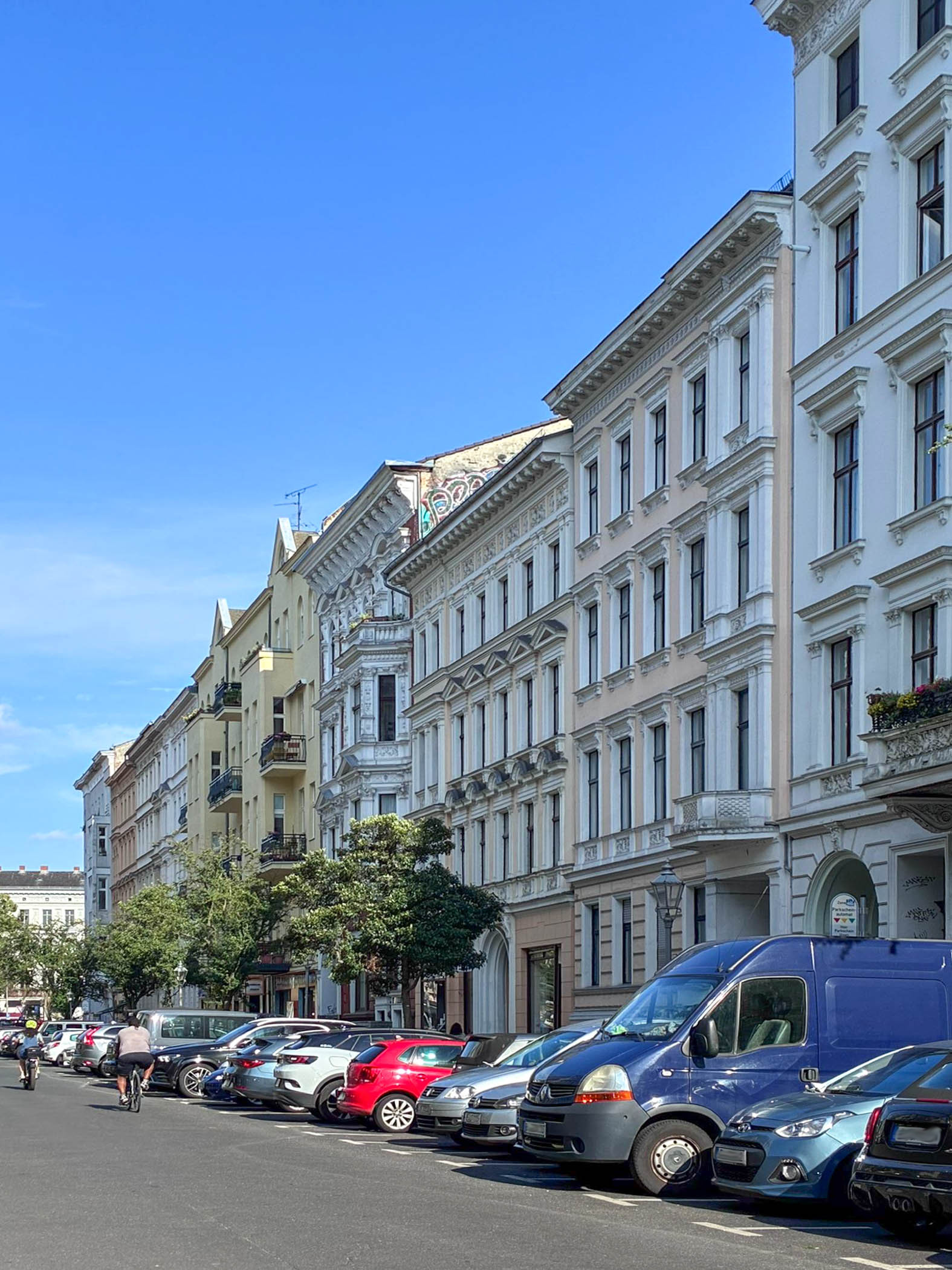
Berlin remains one of the country’s most attractive residential markets. Whilst purchase prices have remained virtually stable compared with the first quarter of 2026 (-0.5 per cent), asking rents are already rising noticeably again (+1.7 per cent). At the same time, the supply of properties for sale is well above the level seen before the interest rate turnaround. On the rental market, however, supply remains well below the level seen before the introduction of Berlin’s rent cap legislation, despite showing signs of a slight recovery. Low levels of new-build activity and the limited supply of housing mean that the structural demand for housing in the capital will remain high in the long term.
Overall, rising demand and developments in the rental market suggest that residential property is likely to become even more attractive as a tangible asset and a long-term investment, particularly in economically strong regions such as Berlin and the surrounding area.