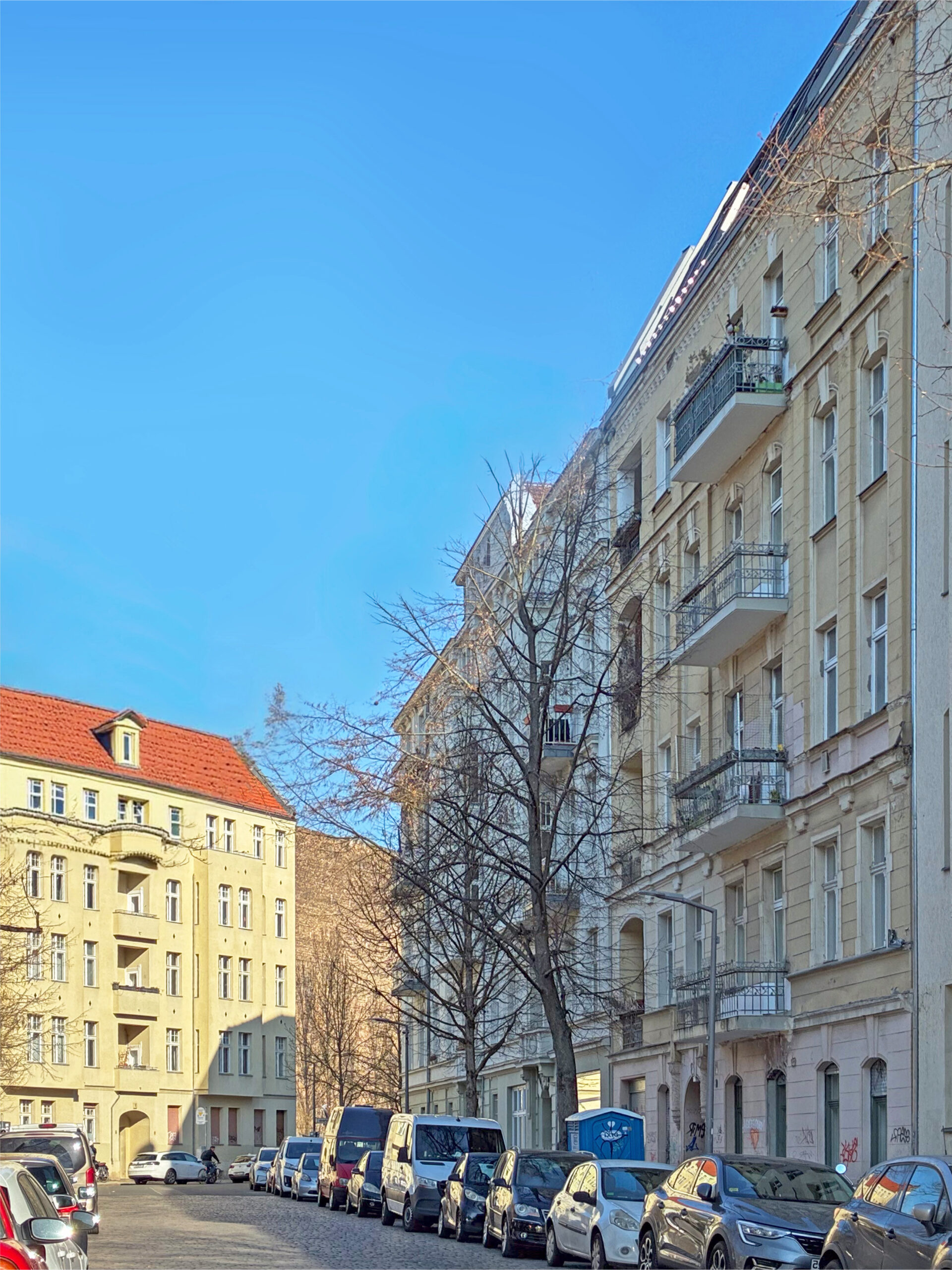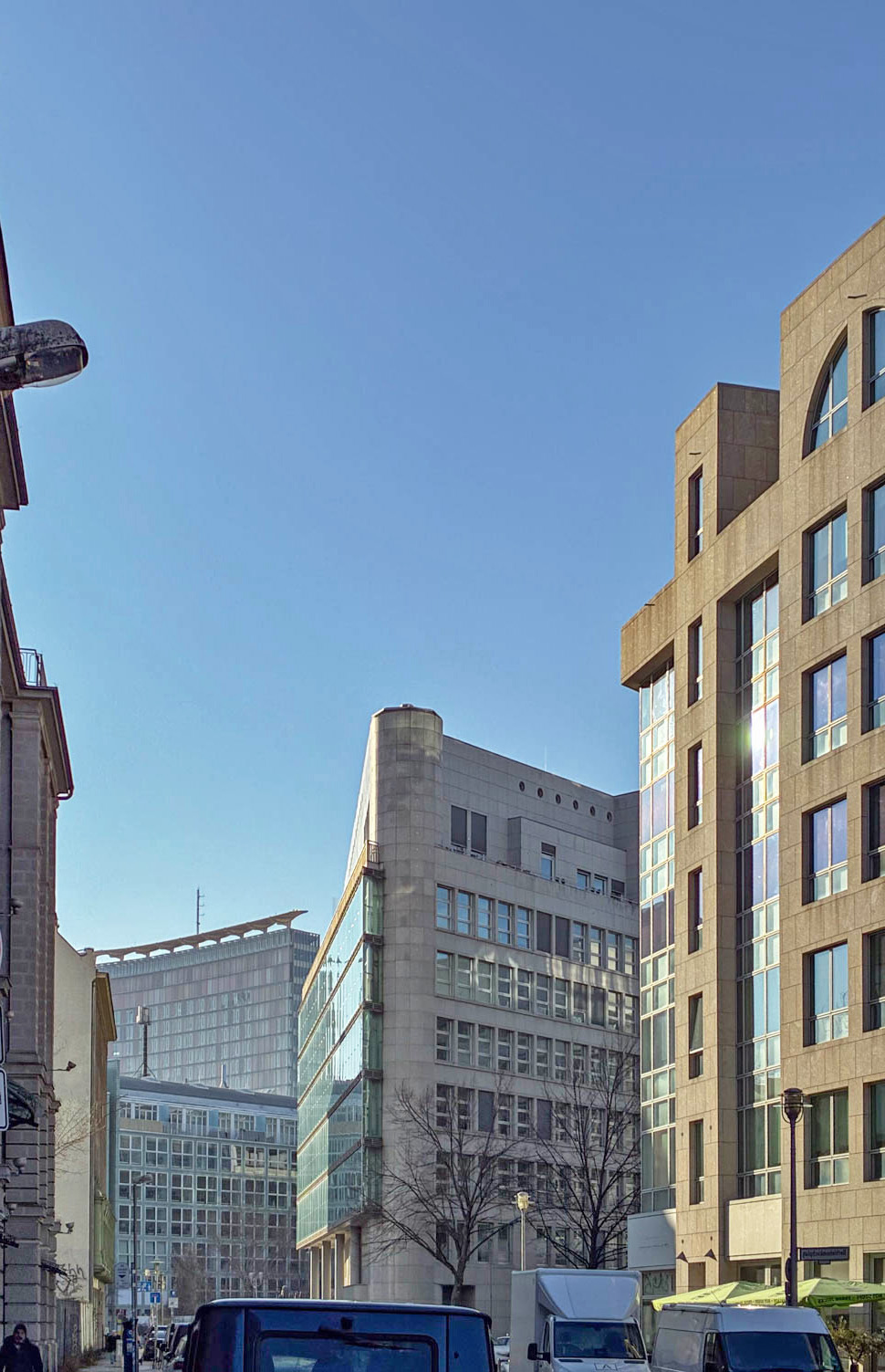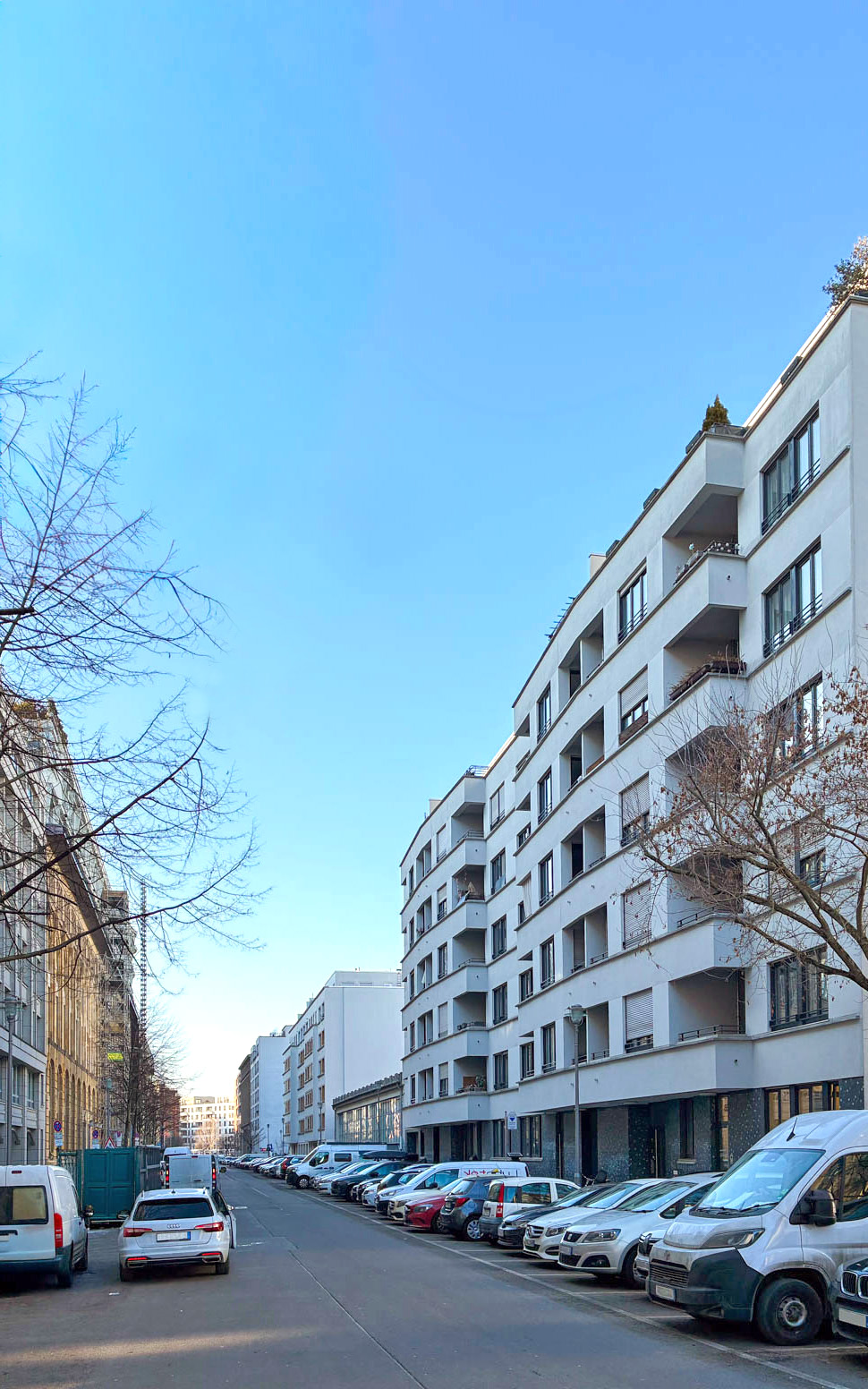
Residential property investments in Germany remain attractive despite economic uncertainty, particularly in Berlin and its surrounding area as well as Leipzig. This is the conclusion of the latest 2026 risk–return ranking by Lübke Kelber AG. The study analyses 135 German cities in terms of market attractiveness, risk and return potential. The results were reported last week by immobilienmanager, Handelsblatt and Cash.online, among others. Berlin ranks third in the attractiveness ranking, behind Leipzig and Potsdam. This underlines the strong appeal of the capital region as an investment destination for residential real estate investors.
The analysis is based on a comprehensive scoring model that evaluates socio-economic factors, demographic developments, market liquidity and rental and purchase price trends. The aim is to provide as realistic a picture as possible of each location’s attractiveness and the associated investment risks. The higher the score, the lower the perceived risk of a residential property investment. In addition to the major cities, numerous second-tier cities and locations in their surrounding areas also perform particularly well.
The ranking once again confirms the high stability of the residential property market in Berlin. One of the main reasons for this is the continuing strong excess demand for housing. In Berlin, the vacancy rate is only 0.3 per cent, well below the natural vacancy rate of three to five per cent. At the same time, steady population growth is ensuring sustained high demand for housing, which is further increasing pressure on the market due to insufficient housing completions. The result: rising rents and stable investment conditions.
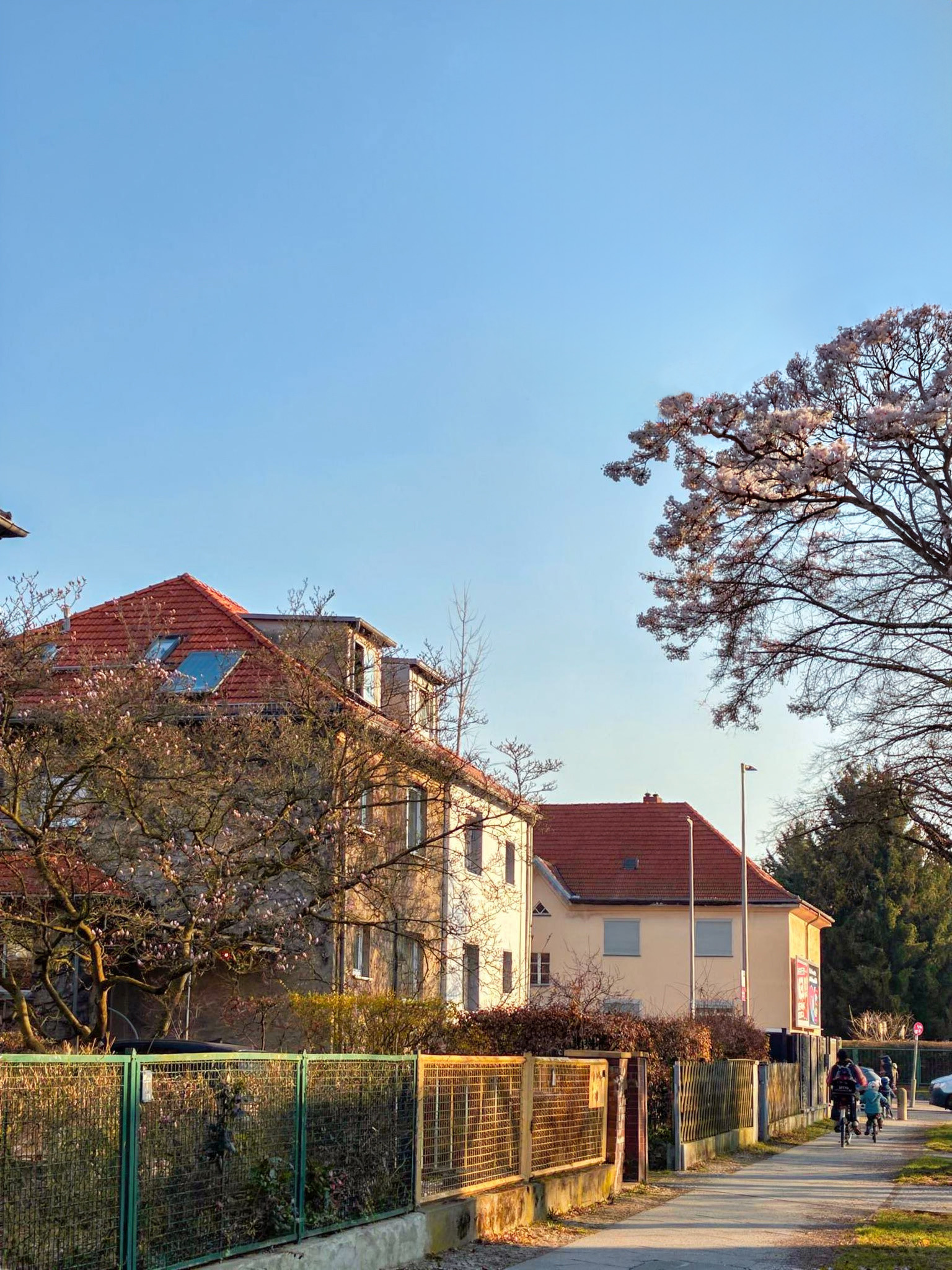
The surrounding area of Berlin is also benefiting from these developments. Towns near the capital such as Potsdam, Teltow, Königs Wusterhausen, Nauen and Bernau are becoming increasingly important, as rising housing costs and limited supply in the metropolis are causing many households to move to the surrounding regions. According to the study, this internal migration trend is one of the most significant developments in the German housing market. Locations with fast transport links and good social infrastructure are therefore becoming increasingly attractive investment markets.
Leipzig continues to be one of the most dynamic residential property markets in Germany. The Saxon metropolis once again ranks first in the current ranking and is thus considered the most attractive residential property location in Germany. Leipzig benefits from strong economic development, sustained high population growth and comparatively moderate entry prices for investors compared to many large cities in western Germany. This results in a very favourable risk–return profile.
Overall, the analysis continues to see good prospects for the German residential property market. Despite geopolitical uncertainties and a persistently challenging economic environment, residential real estate continues to be regarded as a comparatively stable asset class. In many cities, expected returns are even above risk-adjusted minimum returns – a sign that attractive investment opportunities continue to exist in the market.
‘The results of the risk–return ranking once again confirm the prominent position of Berlin and its surrounding area in the German residential property market,’ says Jacopo Mingazzini, CEO of The Grounds. ‘Cities in Berlin’s prosperous surroundings are benefiting in particular from the strong demand for housing in the capital and offer attractive prospects for investors and owner-occupiers, as well as institutional investors and project developers.’