According to a recent study by the empirica Institute, owner-occupied property proves to be an equivalent and reliable form of private retirement provision compared to shares, offering stable returns and significant advantages in retirement. The study, which has recently been covered by publications including Handelsblatt and AssCompact, highlights the positive role of residential property in wealth accumulation and long-term financial security.
The analysis focuses on a comparison between property and traditional capital market investments such as shares. While shares can generate slightly higher returns in the long term, averaging around eight per cent, residential property is not far behind at around seven per cent. However, the key point is: once taxes, portfolio rebalancing, and behavioural factors are taken into account, the actual return on shares often falls below four per cent. Property, on the other hand, benefits from lower volatility, tax advantages, as well as the so-called leverage effect through debt financing.
A lifecycle perspective is particularly relevant in practice. While owners bear higher costs from financing and maintenance during the acquisition phase, this dynamic is reversed in old age: once the property is paid off, housing costs fall dramatically. The rent saved effectively acts as an additional “return” that is permanently available – an advantage that is becoming increasingly significant, particularly in markets with rising rents.
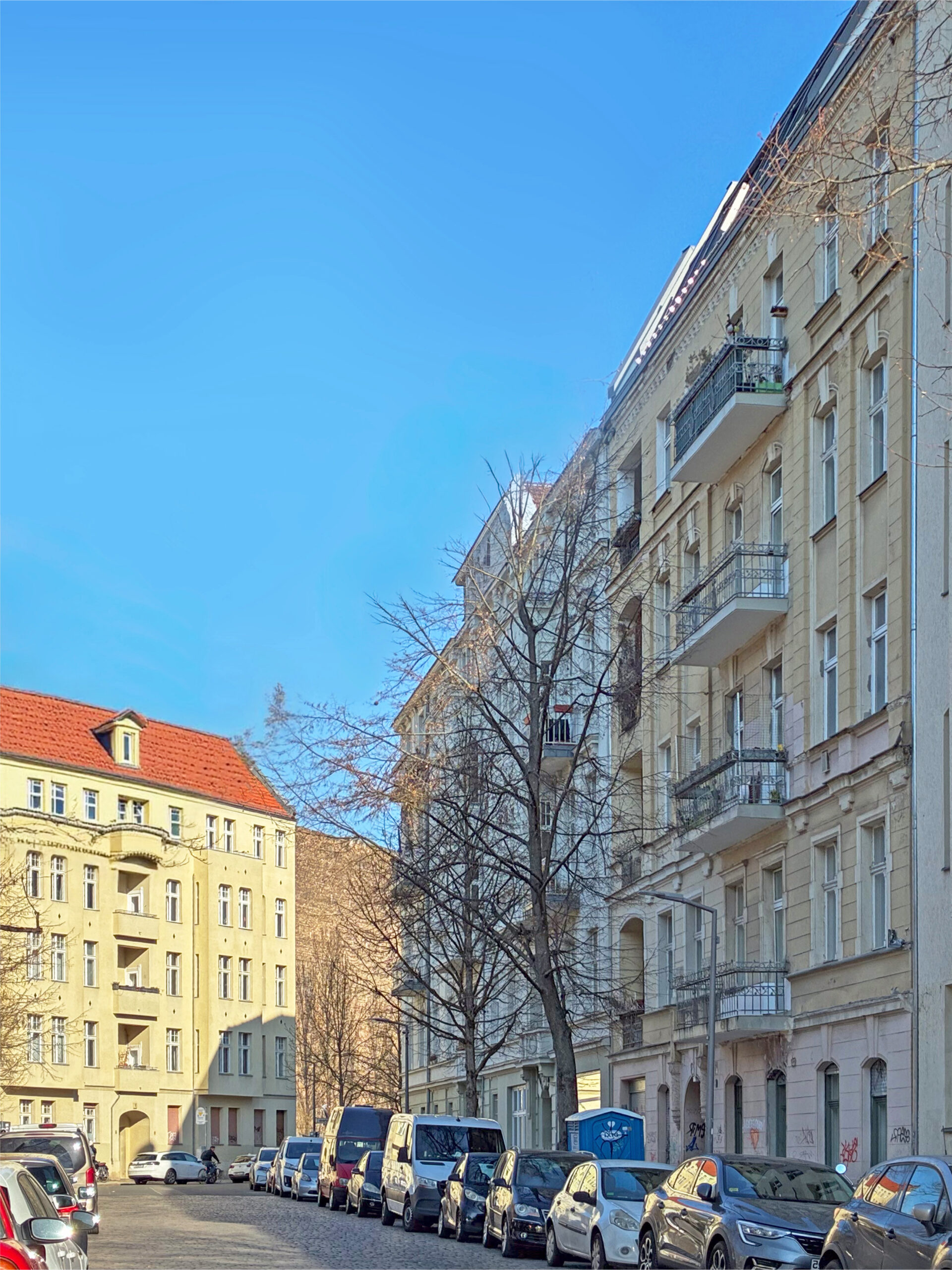
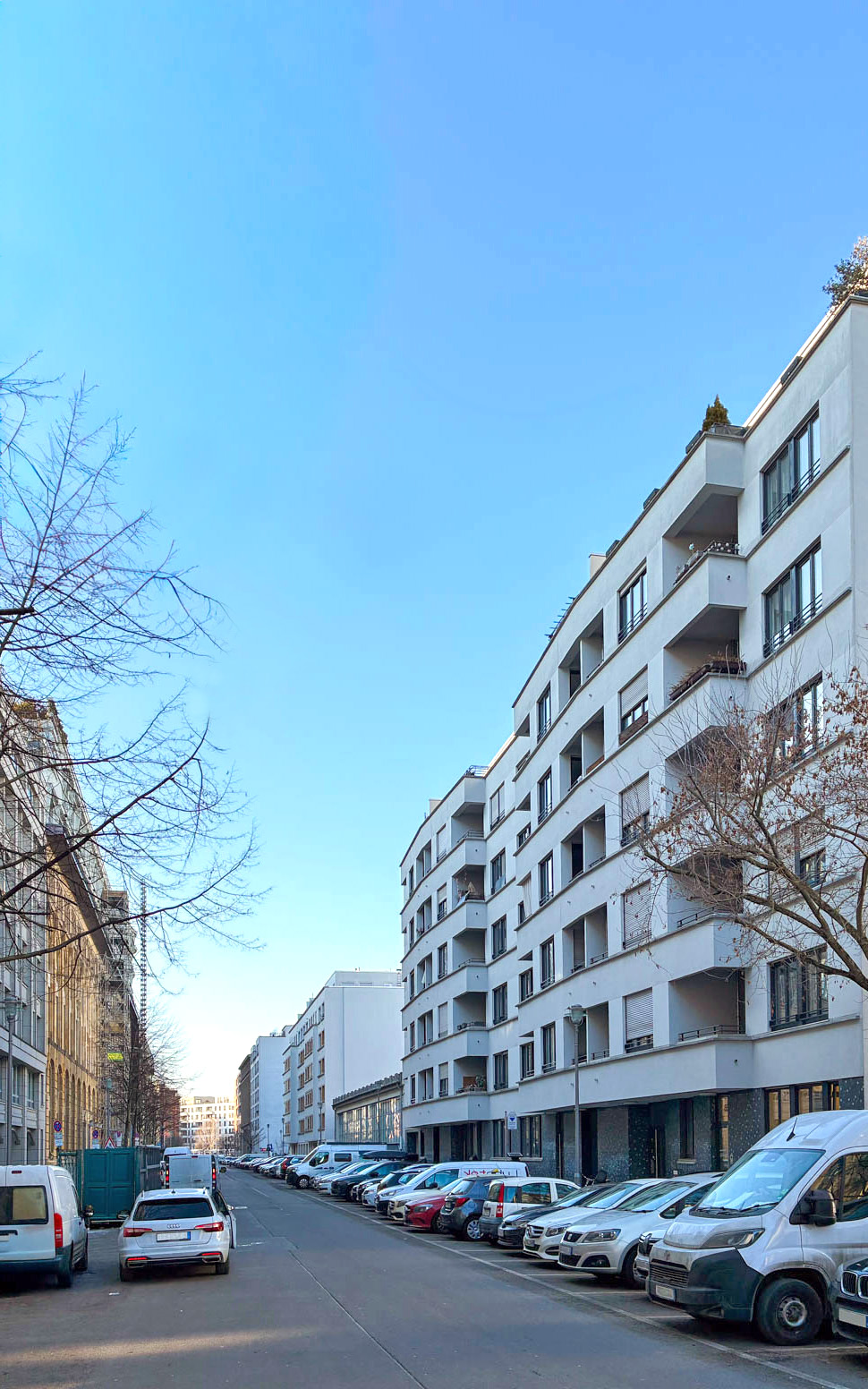
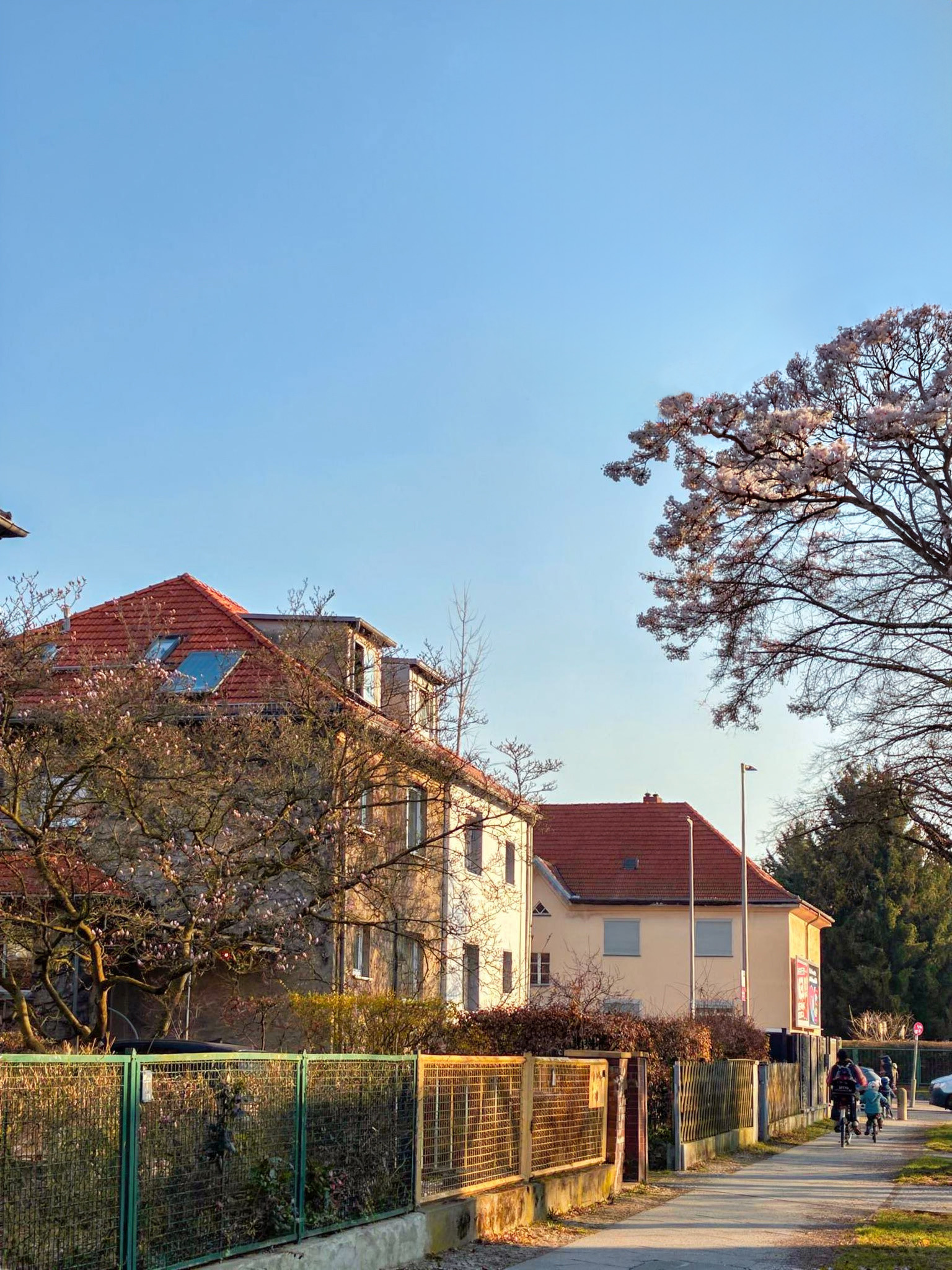
This effect is particularly pronounced in dynamic metropolitan regions such as Berlin and its surrounding areas. Here, sustained high demand meets limited supply, which tends to support rising rents and stable property values over the long term. Owners thus benefit in two ways: through potential increases in the value of their property and through the growing relief from housing costs in old age.
Another key finding of the study concerns saving behaviour: empirical evidence suggests that owner-occupiers, on average, accumulate more wealth than comparable tenants. One reason is the ‘forced saving’ effect of mortgage repayments. While tenants often fail to consistently invest the theoretical difference between rent and property costs, property financing automatically leads to continuous wealth accumulation.
Against this backdrop, it is clear that the value of retirement provision cannot be reduced solely to figures on returns. Aspects such as security, predictability and stability of living standards play an equally important role. Particularly in uncertain times, home ownership therefore continues to gain importance as a cornerstone of private retirement provision.
“The results of the study confirm that owner-occupied housing is far more than just another form of investment. It is a key building block for financial security and stable living conditions in old age,” says Jacopo Mingazzini, CEO of The Grounds. “In Berlin and the surrounding area in particular, we are seeing the long-term benefits of home ownership as a form of retirement provision becoming increasingly important amid high demand for housing and rising rents.”