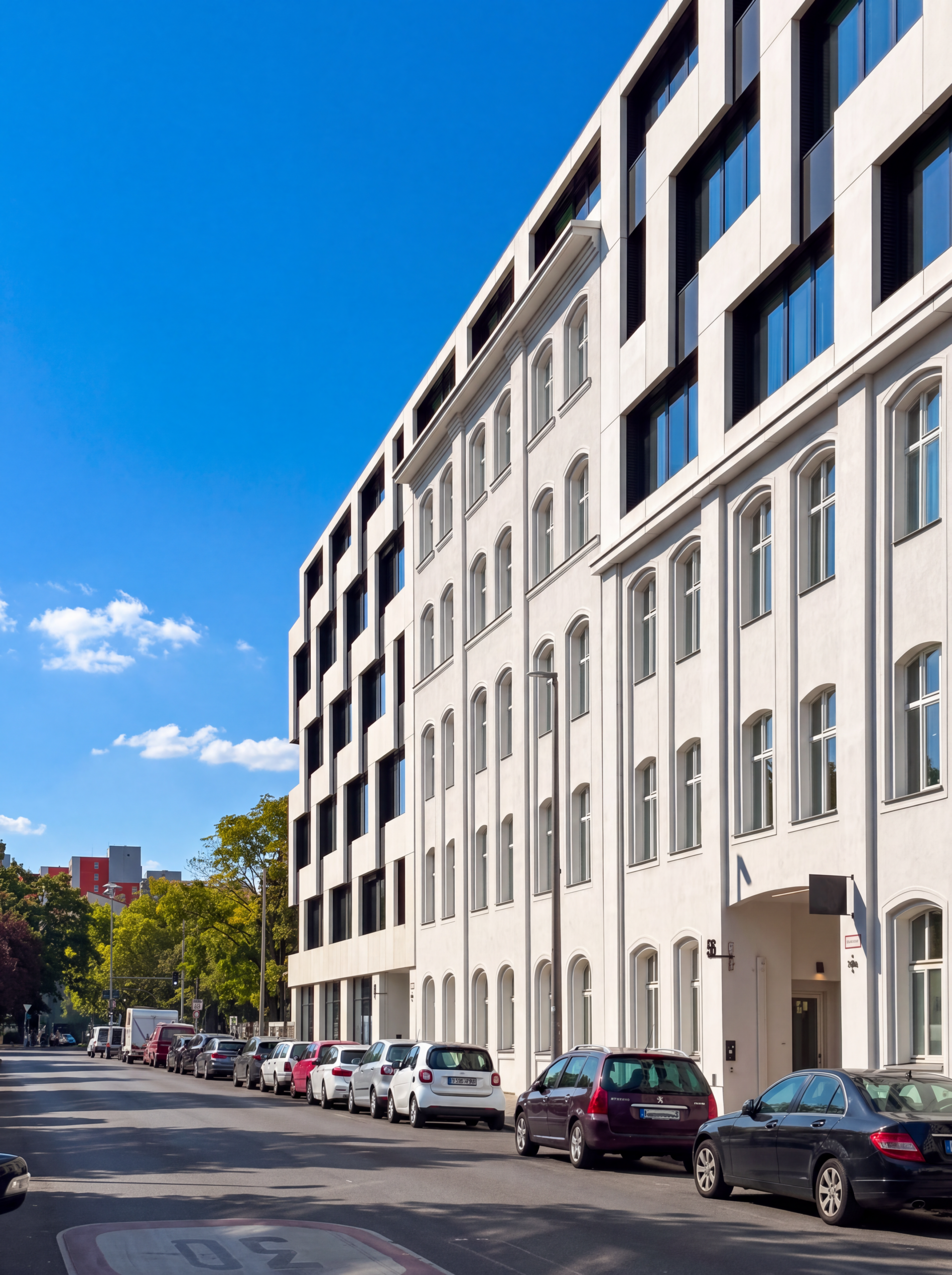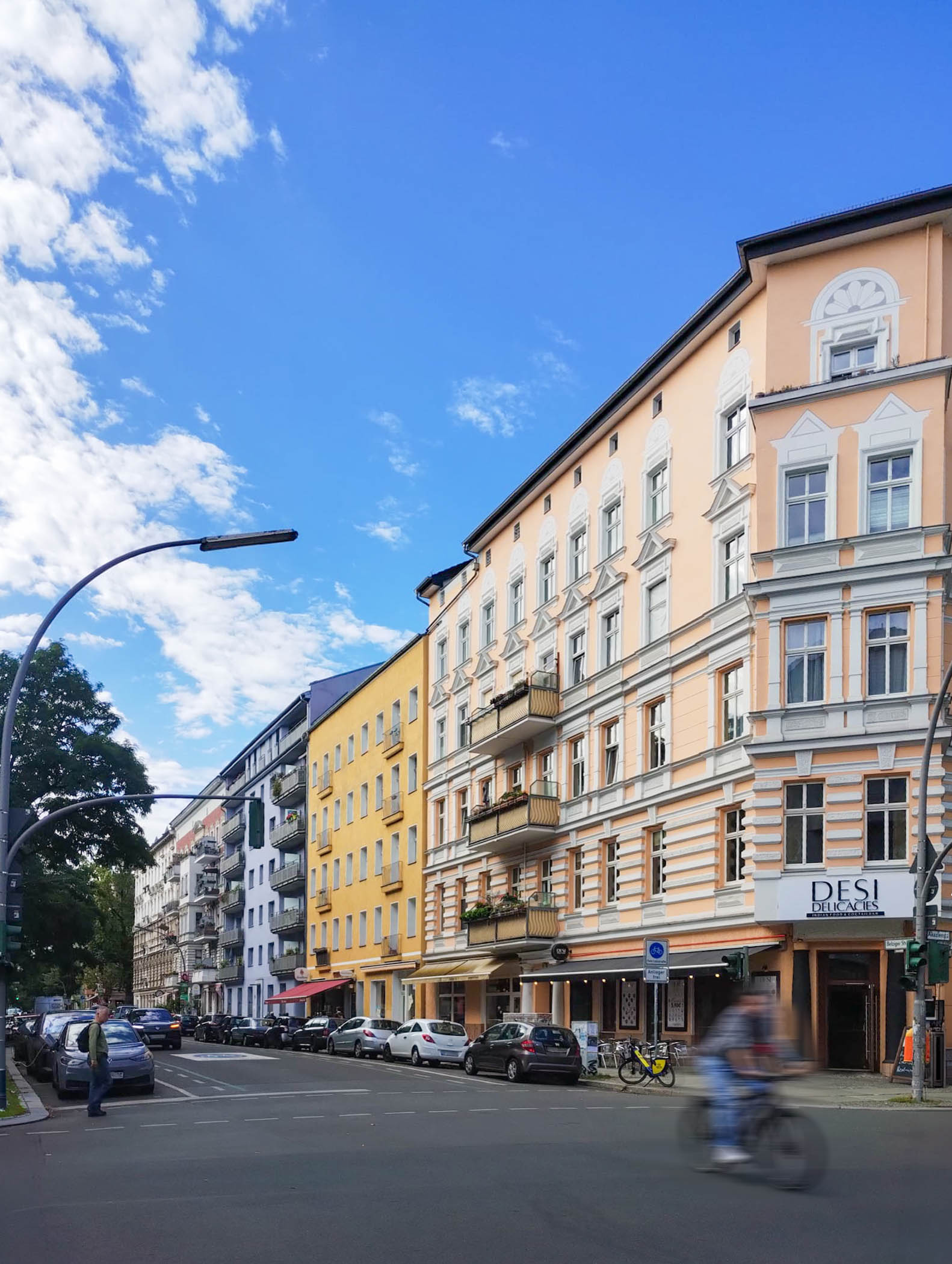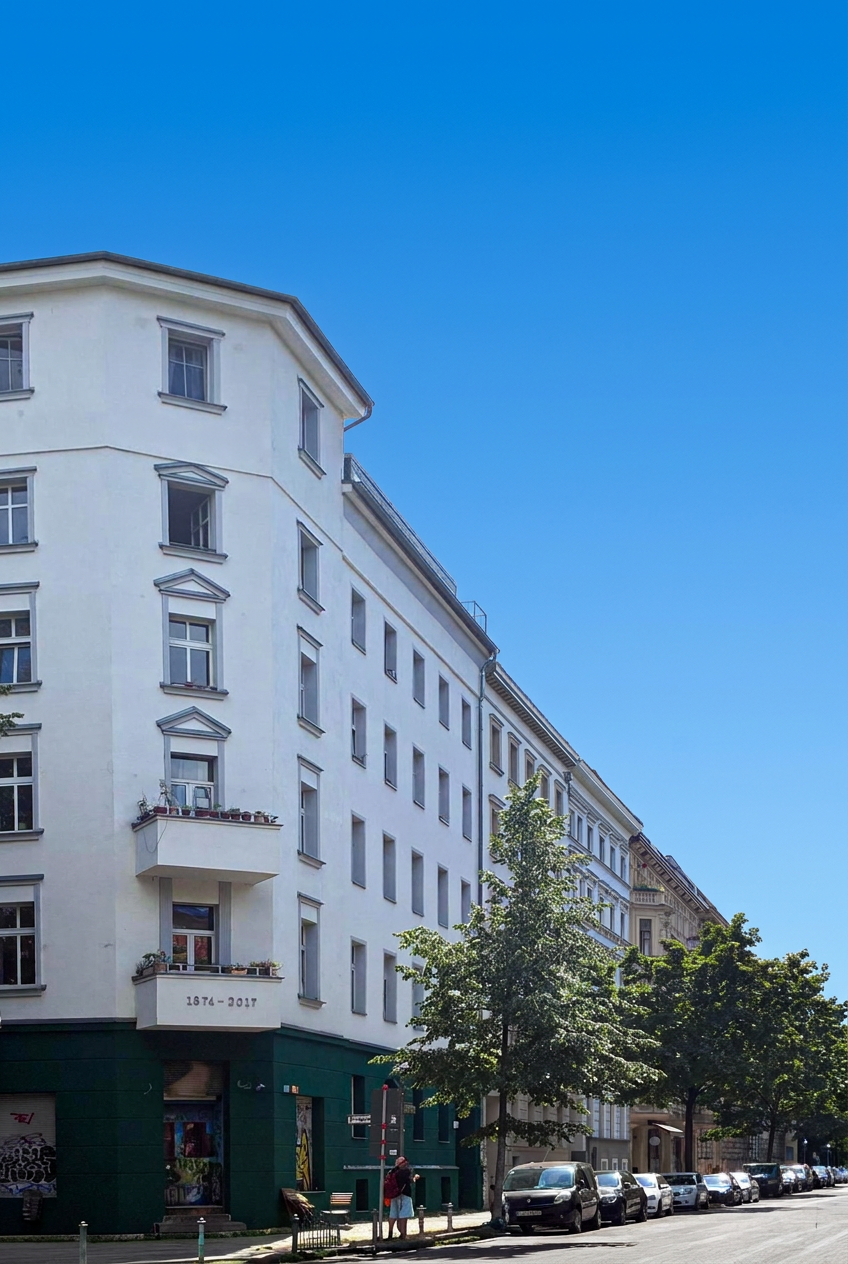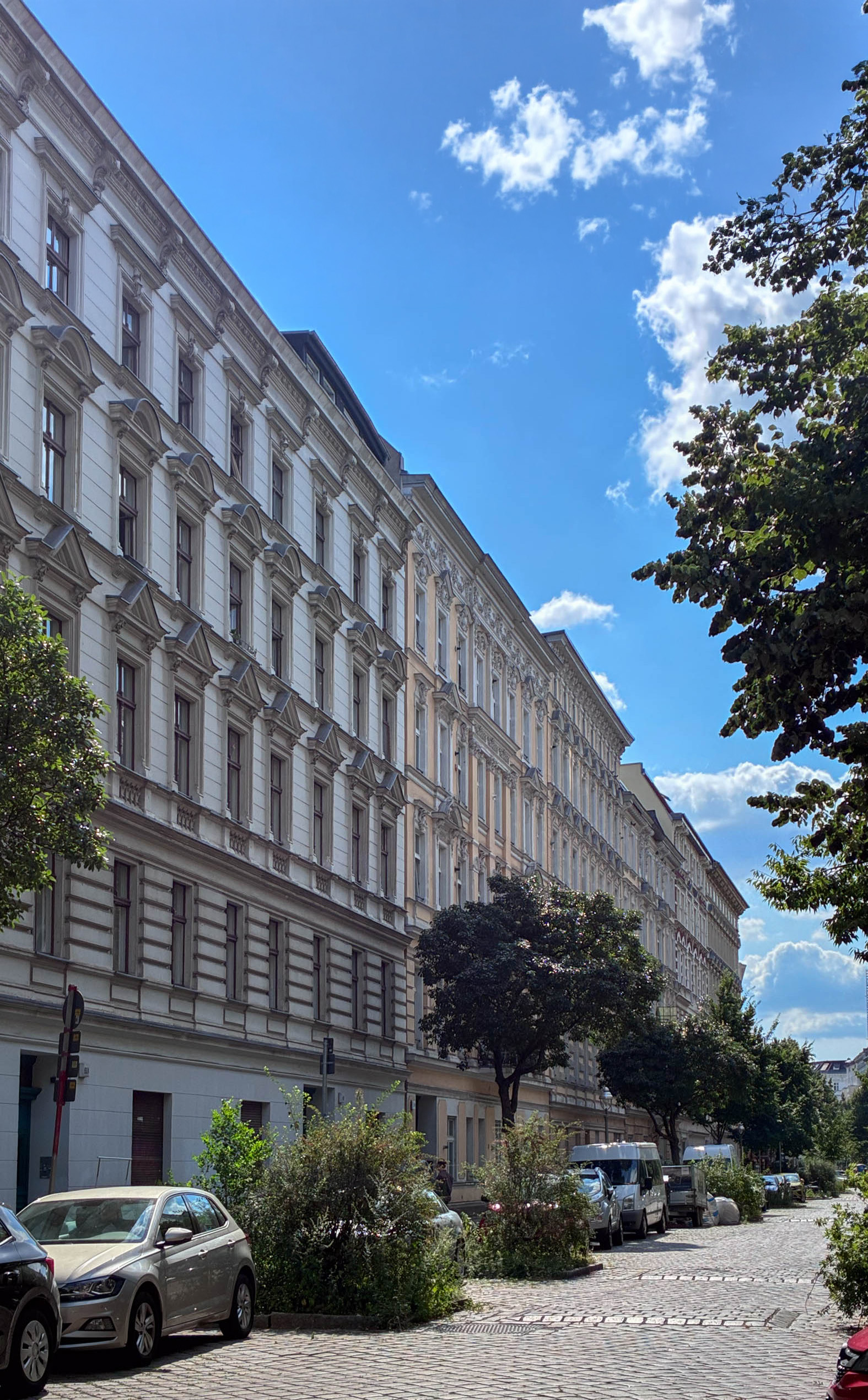
Housing stock in Germany has grown faster than the population over the past ten years. This is according to the latest figures from the Federal Statistical Office, which were reported by Handelsblatt, Tagesspiegel and Immobilien Zeitung, among others, last week. Despite an increase of around 196,000 homes in 2025 and a total of 2.5 million additional homes since 2015, housing markets in many regions remains under pressure. The new data show that a growing housing stock alone does not guarantee an easing of this situation.
According to figures from the Federal Statistical Office, there were around 44.0 million dwellings nationwide at the end of 2025 – an increase of 0.4 per cent, or 196,000 units, compared with the previous year. Over a ten-year period, this represents a rise of six per cent. During the same period, however, the population grew by just 1.6 per cent to 83.5 million people. On average, the number of people per dwelling thus fell slightly from just under 2.0 to just over 1.9. At the same time, total living space increased more sharply than the number of dwellings, meaning that the average dwelling now measures 94 square metres and is around 2.4 square metres larger than it was in 2015. The average living space per inhabitant also rose to 49.5 square metres. (destatis)
At first glance, these figures might give the impression that the demand for housing has now largely been met. However, the Federal Statistical Office explicitly points out that the data do not allow any conclusions to be drawn about the actual use or distribution of housing. In particular, they do not take into account vacant dwellings or regional differences between growing and shrinking regions.
This trend is particularly evident in Berlin. Whilst the housing stock in the capital has also grown steadily in recent years, high levels of immigration, the rising number of small households and years of insufficient new-build activity continue to result in a significant shortfall in supply. Consequently, the housing market remains tight despite the addition of new homes. Similar patterns can be observed in other economically strong conurbations across Germany.
Furthermore, the number of private households has also risen in recent years, and demand for living space per person is growing steadily. Smaller households, an ageing population and changing lifestyles mean that additional homes are needed even as the housing stock increases. These long-term trends thus illustrate that demand for housing does not depend solely on population trends, but increasingly on changing housing preferences and lifestyles as well.
For the property sector, the latest figures underscore, the importance of long-term investment in the housing stock. Alongside new-build projects, the modernisation of existing buildings and making better use of existing space are also becoming increasingly important. Particularly in regions with high demand, additional investment will remain essential to sustainably expand housing supply in a sustainable manner and gradually ease market pressures.
“The latest figures show that Germany has made significant progress in expanding its housing stock. At the same time, they make it clear that the real challenges lie not so much in the absolute number of homes as in their regional distribution and the persistently high demand in growth regions. To overcome these structural bottlenecks, we still need a more favourable investment framework for investment and a significant reduction in bureaucratic hurdles in housing construction,” says Jacopo Mingazzini, CEO of The Grounds.