How can housing construction in Germany be strengthened again? In the current study “Creating more housing space – guidelines for a new funding framework”, the authors from the Institute of the German Economy Cologne IW Cologne propose a fundamental restructuring of housing construction subsidy policy. As reported among others by Handelsblatt, a clearly structured funding architecture could both stabilise construction activity and strengthen home ownership formation.
The situation on the German housing market remains tense. According to the study, the number of completions across the country is still significantly below long term demand, while construction activity continues to be burdened by rising construction costs, higher financing costs and regulatory requirements. At the same time, housing demand in economically strong regions remains persistently high. The IW points out that construction activity could fall in the short term to only around 215,000 dwellings per year, although annual demand remains significantly higher.
For future funding policy, the authors identify four central fields of action: stabilising the housing market and the economic cycle, promoting home ownership, as well as sustainability and technology support. In particular, temporary support programmes could help cushion strong declines in construction activity and avoid capacity losses in the construction sector. At the same time, the authors advocate clearly structured support measures and reliable framework conditions over the long term.
The study gives particular attention to home ownership formation. According to the findings, the purchase of residential property often fails not due to monthly financing burdens, but due to high equity requirements and purchase related additional costs. As a solution, the authors propose, among other things, state supported subordinated loans that can be recognised by banks as a substitute for equity. In addition, special credit programmes to finance real estate transfer tax and other acquisition costs could make access to home ownership easier.
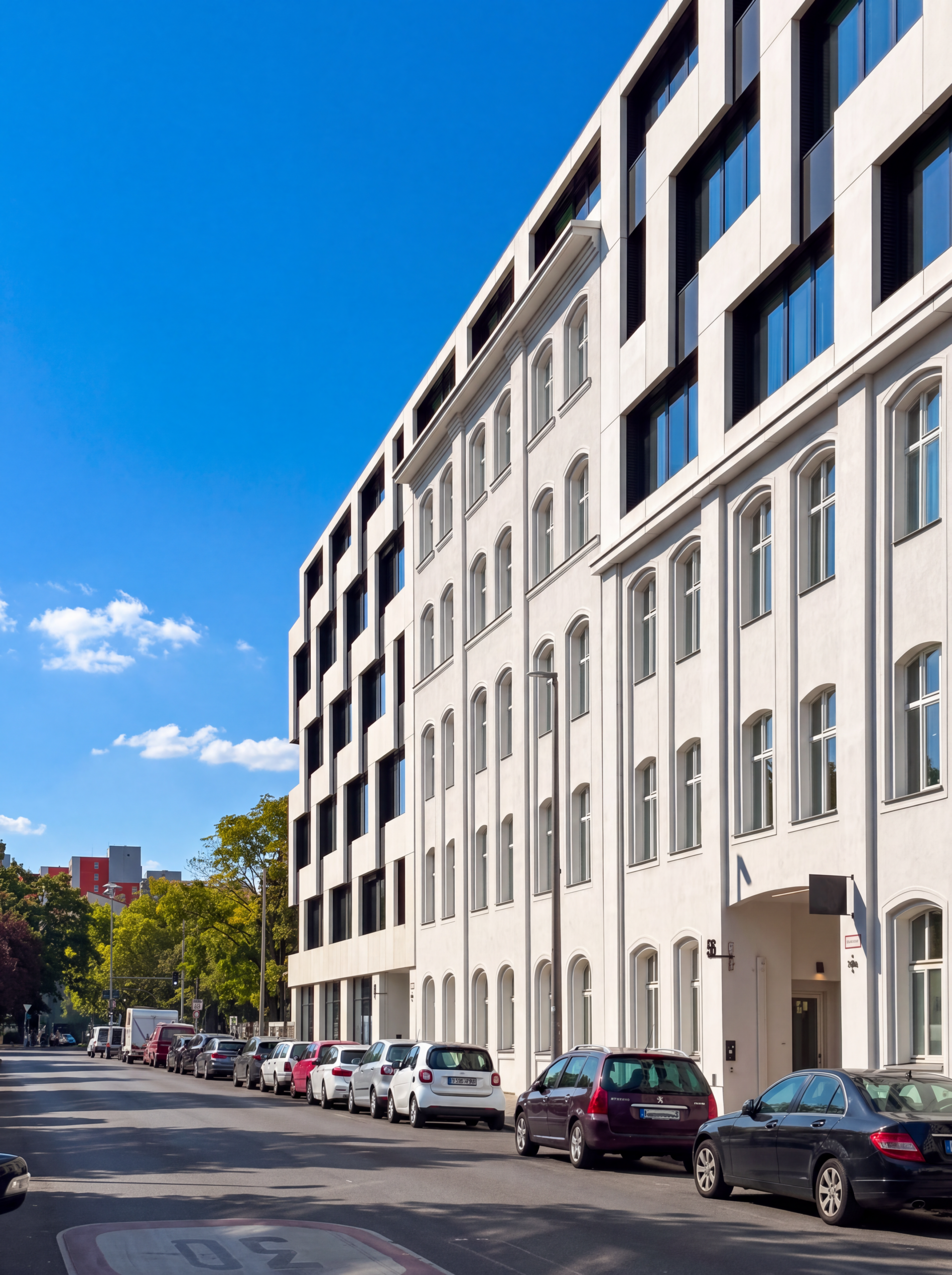
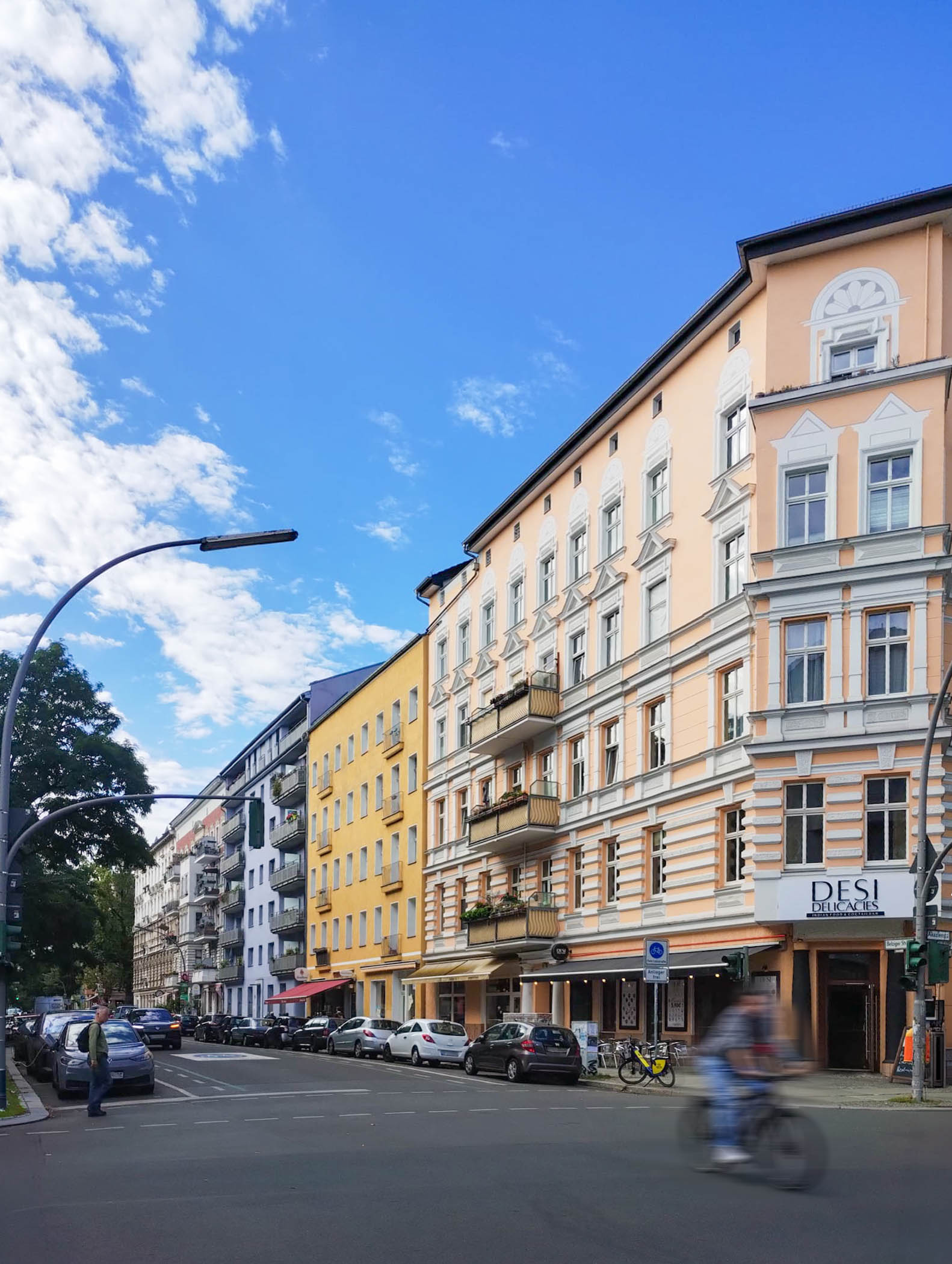
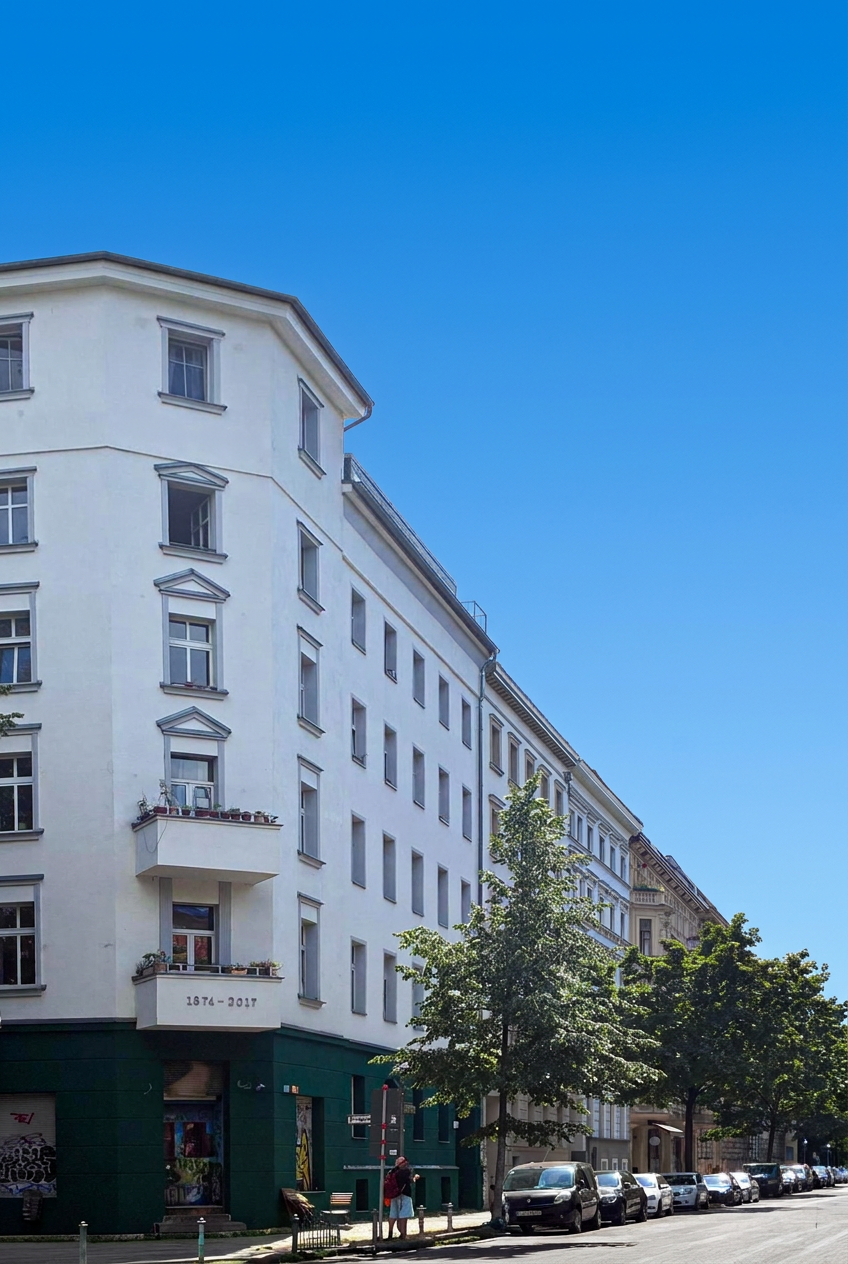
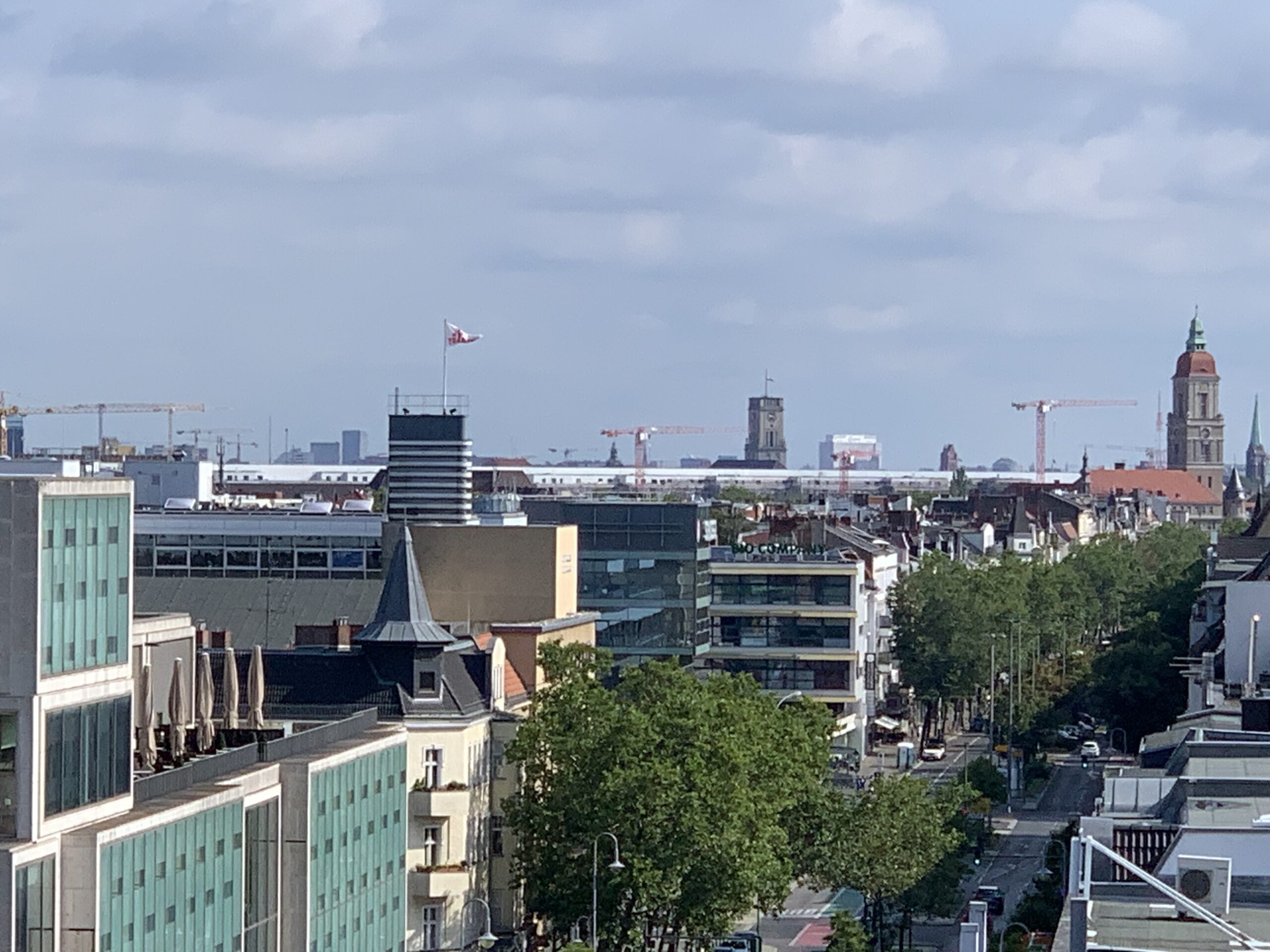
Berlin and its surrounding area could benefit particularly from targeted support programmes. The region has for years been one of the areas with the strongest housing demand, while supply remains tight due to weak new construction activity. Demand is increasingly shifting to surrounding municipalities, where both purchase prices and entry barriers are often lower. Targeted support for home ownership formation could therefore not only increase the home ownership rate but also provide additional momentum for the development of the Berlin surrounding region.
The study also identifies significant need for action in the innovation capacity of the construction sector. Through digital planning, serial and modular construction and industrial prefabrication, construction costs could be reduced and projects implemented more quickly. Support programmes should therefore specifically encourage investment in innovative technologies. Nevertheless, structural reforms remain necessary, for example in the form of faster approval procedures, less regulation and better provision of land for construction. “The study very clearly shows that the problems of the housing market cannot be solved solely through ever new individual regulations. What is crucial are reliable framework conditions, faster approval procedures and targeted support for home ownership,” says Jacopo Mingazzini, board member of The Grounds. “Especially in Berlin and its surrounding area, we see strong structural demand for housing. If it is possible to lower equity barriers and at the same time promote