Residential property prices in Germany have continued to rise at the start of 2026, signalling further market stabilisation. As the Association of German Pfandbrief Banks (vdp) announced last week, the vdp property price index for owner-occupied residential properties (detached houses and apartments) rose by 2.5 per cent in the first quarter of 2026 compared with the same quarter of the previous year, making a slightly stronger increase than office properties (+1.9%) and retail properties (+1.5%). Against the backdrop of persistent supply shortages and robust demand, the residential segment continues to be regarded as the anchor of stability in the property market. Handelsblatt and haufe reported on this last week.
Condominiums, in particular, recorded strong growth: prices rose by 2.8 per cent over the course of the year. Prices for owner-occupied houses also rose significantly once again, by 2.4 per cent. This trend is primarily driven by continued strong demand for housing in urban centres and surrounding areas, coupled with insufficient new-build activity.
At the same time, it is evident that price trends vary from region to region. Economically strong metropolitan regions with growing populations remain particularly in demand. For example, prices for owner-occupied homes in Germany’s seven largest cities rose by 2.7 per cent, a slightly more dynamic trend than the national average. Hamburg leads the way with a growth rate of 3.9 per cent, followed by Frankfurt am Main (+3.2 per cent) and Cologne (+3.0 per cent).
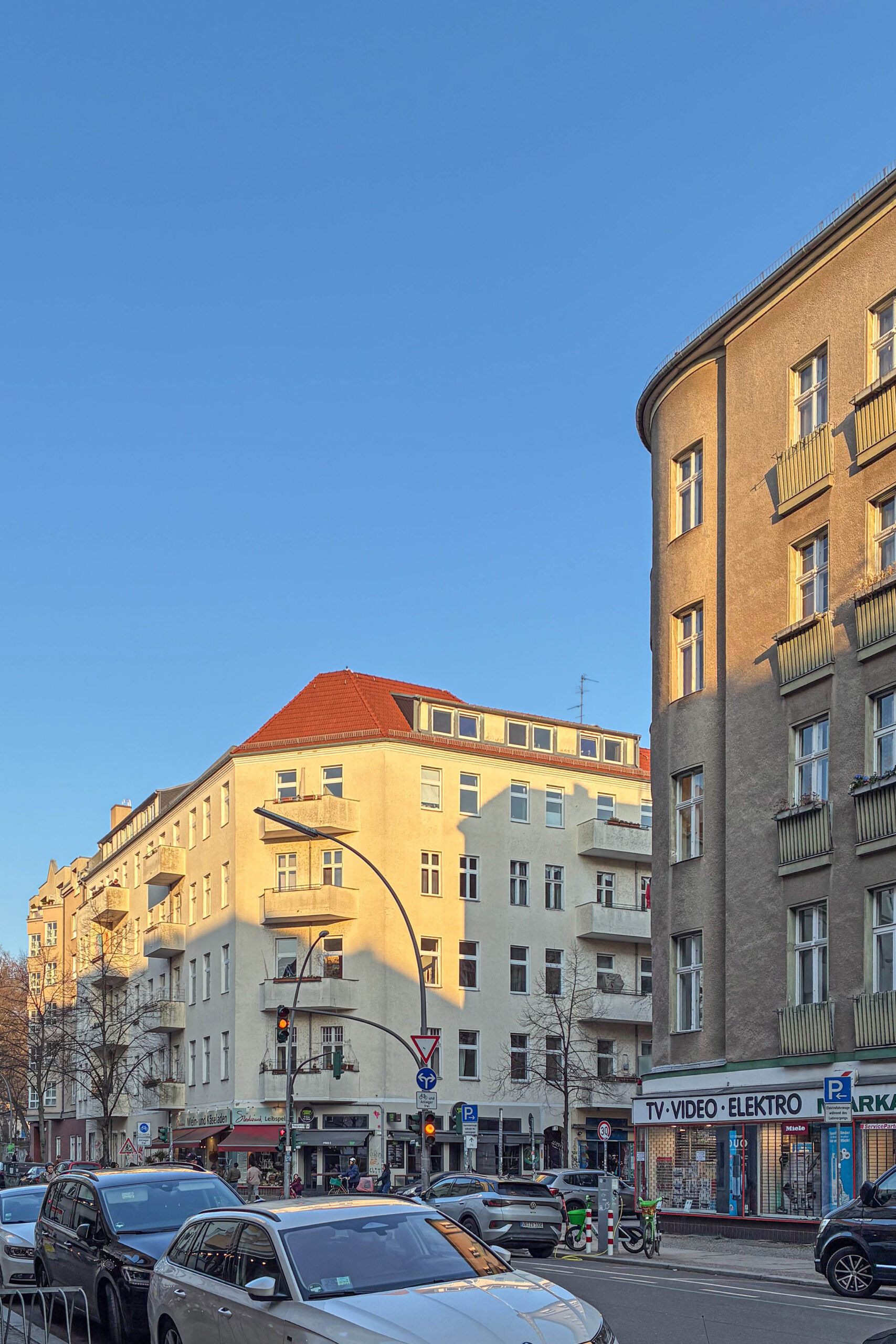
However, even in Berlin, where a structural housing shortage continues to place significant pressure on the market, prices for houses and flats are rising more rapidly than in the rest of Germany. Various recent market studies have highlighted the persistently low vacancy rates and rising asking rents in the capital. The areas surrounding Berlin are increasingly benefiting from this spillover demand, as many households can hardly find affordable housing within the city limits.
The vdp also points out that the market has now largely recovered from the uncertainty triggered by the 2022 interest rate turnaround. More stable financing conditions, rising incomes and the continued high demand for housing are continuing to support the market recovery. At the same time, new-build activity remains well below actual demand, which further exacerbates the shortage of supply and points to further price rises in the medium term.
“The latest figures confirm the continued resilience of the residential property market, particularly in growth regions such as Berlin and the surrounding area,” says Jacopo Mingazzini, CEO of The Grounds. “The combination of a persistent housing shortage, rising demand, and insufficient new-build activity suggests that the positive trend in residential property prices is likely to continue in the coming quarters.”