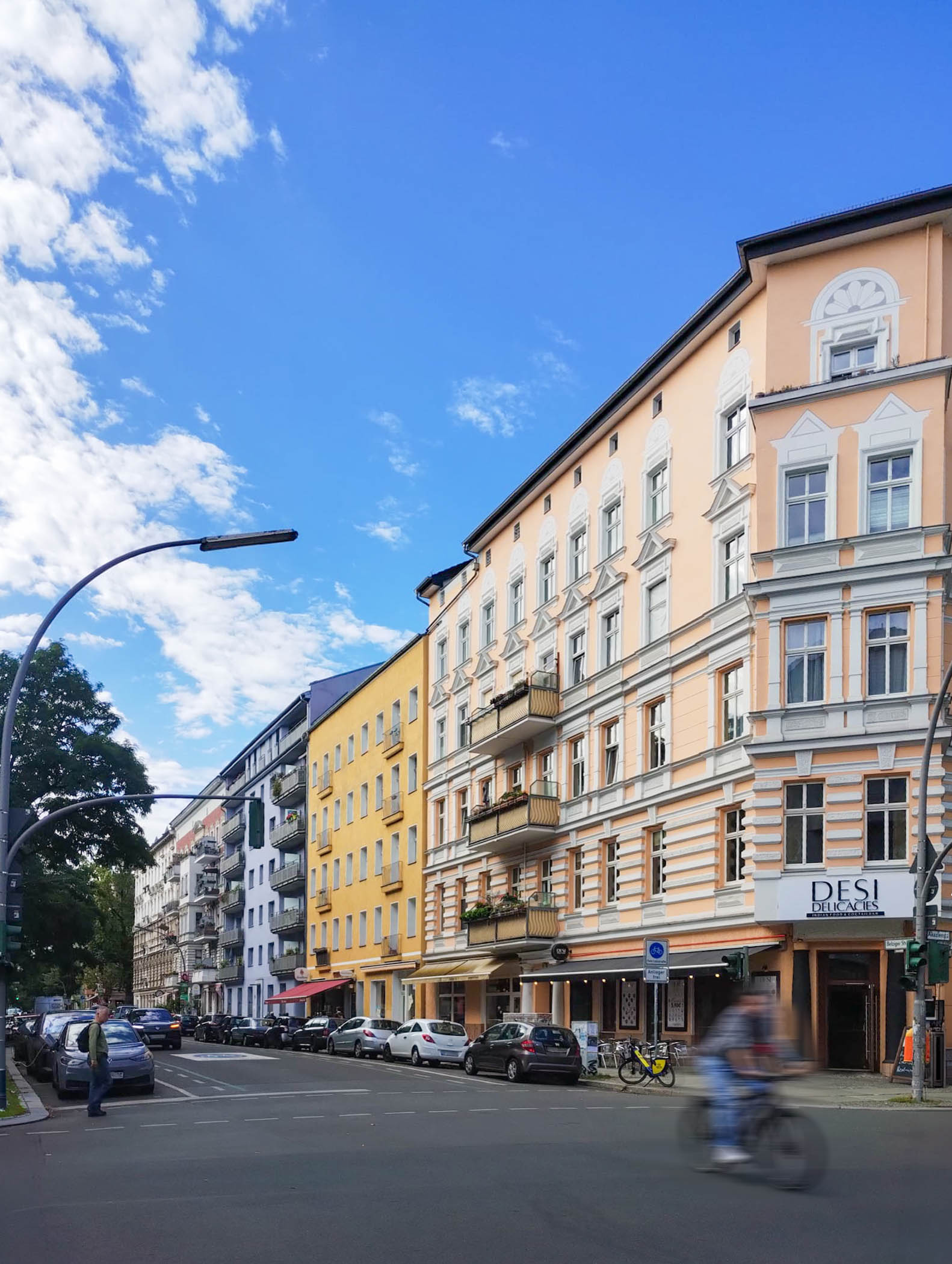
Despite very different political frameworks, housing markets across Europe are facing similar challenges: high demand, insufficient residential construction and a persistent housing shortage characterise developments in almost all metropolitan regions. This is the conclusion reached by the new brief study “Housing in Europe – Regulation and Market Development”, published by bulwiengesa on behalf of Berlin Hyp, and has been covered by publications including immobilienmanager and boerse-express. The study shows that regulatory intervention alone cannot solve the structural problems facing the housing markets.
The study takes as its starting point the strained situation on the German housing market. In major cities and conurbations in particular, growing demand has outpaced supply for years. Key drivers include the increasing number of small households, urbanisation and the ongoing influx of people into economically strong regions. At the same time, new housing construction remains far below what is needed. According to bulwiengesa’s estimates, around 330,000 new flats will be needed annually by 2040, whilst the actual housing completions are significantly lower. For Berlin, the study also shows that average rents for new-build flats have risen considerably since 2015 and now stand at around 20 euros per square metre.
A comparison across Europe makes it clear that almost all the countries examined face similar challenges, albeit within different political contexts. Despite its relatively landlord-friendly regulatory framework, Poland is grappling with a housing shortfall of around 1.5 million homes. France has particularly strong tenant protection and rent control in Paris, but is also suffering from a decline in new-build activity. In the Netherlands, large parts of the rental housing stock are subject to state regulation, while there is an estimated shortfall of around 400,000 homes. Spain is seeing sharp rises in rents in its metropolitan areas, despite a large number of vacant homes. Denmark has traditionally relied on a high proportion of social housing, whilst the UK is currently undertaking a comprehensive reform of its tenancy law.
Notably, rents in all the countries studied have continued to rise since 2020 – regardless of whether the housing market is heavily regulated or relatively unregulated. According to the study’s authors, the various examples show that whilst rent controls, rent caps or other regulatory instruments may influence certain trends, they do not address the root cause of the problem: the insufficient supply of housing. At the same time, extensive intervention may reduce private investors’ willingness to invest, thereby further hindering the urgently needed construction of new homes.
These findings are particularly relevant for Berlin. The capital remains one of the most dynamic housing markets in Europe. The population is growing, demand for housing remains high, and construction activity is insufficient to meet that demand. Against this backdrop, there is a strong case for evaluating future regulatory measures more closely based on their actual impact, whilst at the same time strengthening the supply side more consistently. This includes, in particular, faster planning permission procedures, the designation of additional building land and the promotion of the conversion of suitable existing properties – measures that the study identifies as sensible complements to existing regulations.
“A comparison across Europe clearly shows that a housing shortage cannot be resolved by introducing ever more regulations. What matters is enabling the construction of more housing again. That is why we need faster planning permissions, fewer bureaucratic hurdles and a reliable regulatory framework for investors. Only when the housing supply starts to grow again can the pressure on the markets be reduced in the long term,” says Jacopo Mingazzini, CEO of The Grounds.